Vibe Coding Is Changing Software Forever
The Rise of a New Era in Software Development
For decades, software development followed a familiar path. A person had an idea, learned programming languages, wrote thousands of lines of code, debugged countless errors, and spent months—or even years—bringing a product to life.
Today, that model is rapidly changing.
A new movement known as Vibe Coding is transforming the way software is created, enabling entrepreneurs, creators, marketers, and innovators to build applications at unprecedented speed. Rather than focusing on syntax, frameworks, and technical implementation details, vibe coding emphasizes intent, creativity, and collaboration with artificial intelligence.
The result is a fundamental shift in how software is conceived, developed, and deployed.
What Is Vibe Coding?
Vibe coding is the practice of building software primarily through natural language interactions with AI systems.
Instead of manually writing every line of code, developers describe what they want:
- “Create a dashboard for customer analytics.”
- “Build a mobile app for tracking workouts.”
- “Add a payment system.”
- “Create a chatbot that answers support questions.”
AI systems then generate much of the underlying code, architecture, interfaces, and workflows automatically.
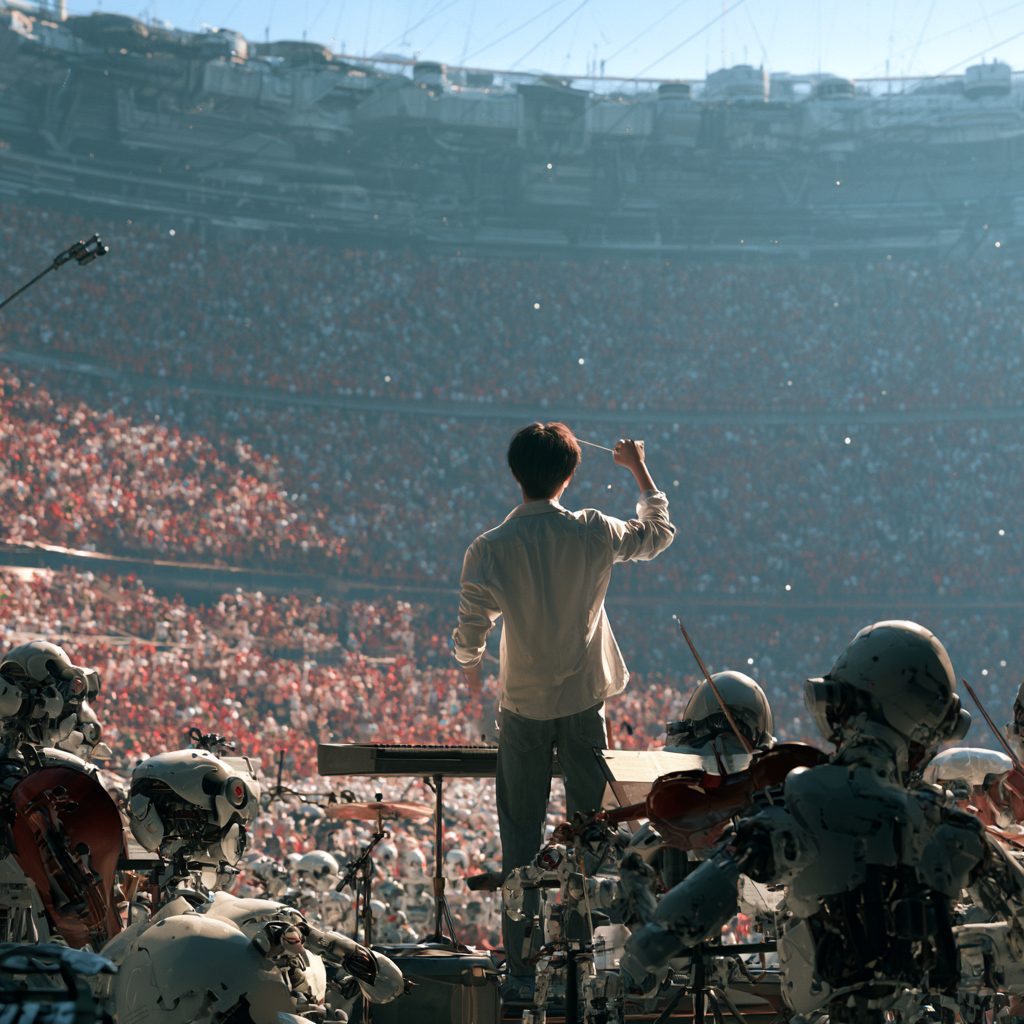
The developer becomes less of a traditional coder and more of a director, strategist, and product designer.
The “vibe” comes from focusing on the outcome rather than the implementation.
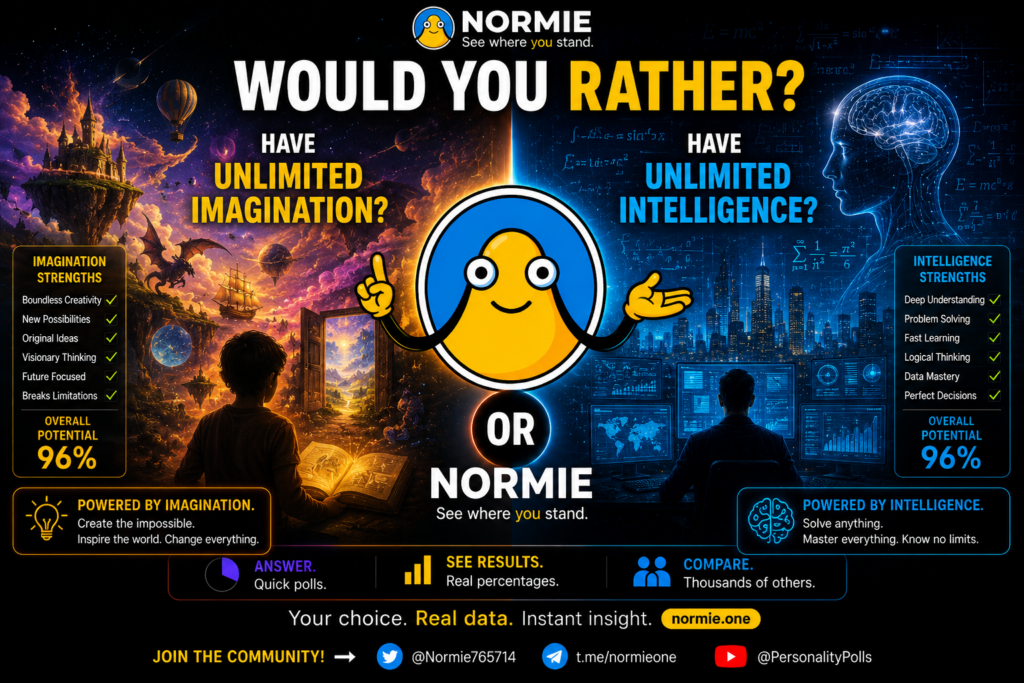
Would You Rather… Have Unlimited Imagination… OR Unlimited Intelligence?
Would you choose the power to dream up limitless possibilities—or the ability to understand and solve anything? One path fuels creativity, innovation, and vision. The other unlocks logic, mastery, and knowledge. Which would create the better future?
Cast your vote on Normie and see how your choice compares with thousands of others.
🚀 Website: Normie
🐦 X: @Normie765714
📢 Telegram: Normie Community
📺 YouTube: Personality Polls
Your choice. Real data. Instant insight. See where you stand. 🧠✨
Why Vibe Coding Is Exploding
Several technological breakthroughs have converged simultaneously:
Large Language Models
Modern AI systems can understand programming concepts, write code, debug issues, and explain technical problems.
Tools like:
- ChatGPT
- Claude
- Gemini
- GitHub Copilot
- Cursor
- Windsurf
- Replit AI
have dramatically lowered the barriers to software creation.
Faster Development Cycles
What once required months can now be accomplished in days.
Developers can:
- Generate prototypes instantly
- Create databases automatically
- Build APIs through prompts
- Generate front-end interfaces
- Automate testing
The speed difference is often measured in multiples rather than percentages.
Lower Costs
Many startups previously needed:
- Developers
- Designers
- QA testers
- Project managers
Now, a single founder working with AI can perform much of that work independently.
This dramatically reduces startup costs while accelerating innovation.
The End of “Learning to Code” as a Requirement
Learning software development used to require years of study.
People spent countless hours mastering:
- JavaScript
- Python
- C++
- Databases
- DevOps
- APIs
While technical knowledge remains valuable, it is no longer the only path into software creation.
Tomorrow’s builders may focus on:
- Problem solving
- Product design
- User experience
- Business strategy
- Prompt engineering
- Systems thinking
The bottleneck is shifting from technical capability to creativity.
The question is no longer:
“Can you code?”
Instead, it becomes:
“What can you imagine?”
The Rise of the One-Person Software Company
One of the most exciting outcomes of vibe coding is the emergence of the solo founder.
Historically, building a software company required:
- Engineers
- Designers
- Marketers
- Customer support
- Operations staff
Today, AI can assist with nearly every one of these functions.
A single entrepreneur can:
- Build products
- Generate content
- Create marketing campaigns
- Analyze customer feedback
- Automate support systems
- Launch globally
The concept of a one-person software company is no longer theoretical.
It is happening right now.
AI Is Becoming a Digital Workforce
Many people think of AI as a tool.
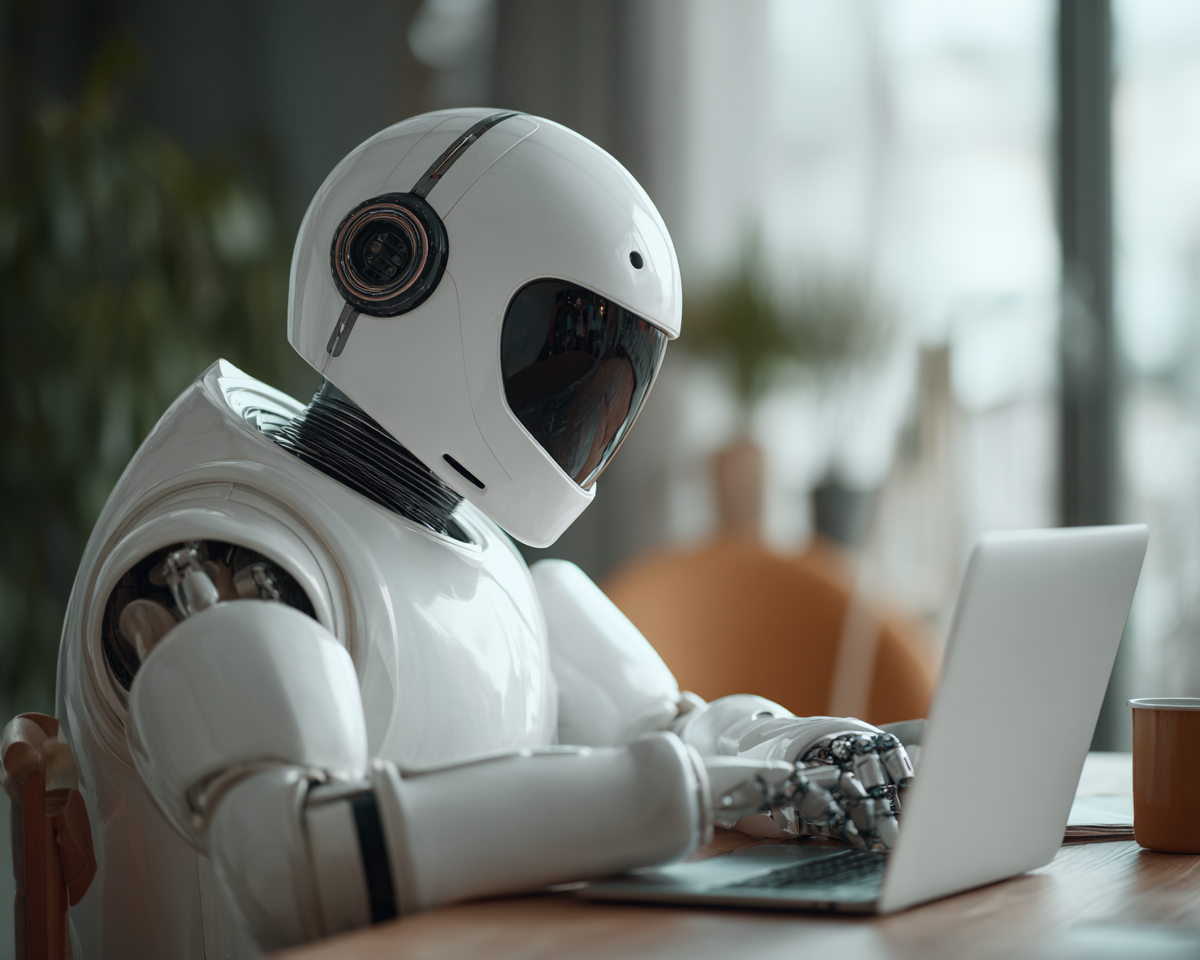
Increasingly, it functions more like a team member.
AI agents can:
- Write code
- Monitor systems
- Research competitors
- Analyze data
- Create content
- Generate reports
- Manage workflows
Rather than hiring more employees, many companies are deploying digital workers.
This represents one of the largest shifts in workforce economics since the Industrial Revolution.
The New Skill: Directing Intelligence
As AI becomes more capable, human value shifts toward directing intelligence.
Future builders will need to excel at:
Vision
Understanding what should be built.
Strategy
Choosing the right opportunities.
Creativity
Generating unique ideas.
Leadership
Managing teams of AI agents.
Systems Thinking
Understanding how technologies interact.
The future belongs less to people who can write perfect code and more to those who can orchestrate complex systems effectively.
Challenges of Vibe Coding
Despite its promise, vibe coding is not without risks.
Technical Debt
AI-generated code can contain inefficiencies that accumulate over time.
Security Issues
Poorly reviewed code may introduce vulnerabilities.
Overreliance
Developers who depend entirely on AI may lose foundational understanding.
Quality Control
Human oversight remains critical.
The best builders use AI as a powerful assistant rather than a complete replacement for expertise.
The Democratization of Software
Perhaps the most important impact of vibe coding is accessibility.
Millions of people have ideas but lack technical skills.
Teachers.
Artists.
Coaches.
Marketers.
Small business owners.
Creators.
Researchers.
For the first time in history, many of these individuals can build sophisticated software products without spending years learning traditional programming.
This democratization could unleash a wave of innovation comparable to the rise of the internet itself.
The Future of Software Development
The software industry is entering a new chapter.
In the coming years we may see:
- AI-generated applications becoming the norm
- Autonomous software agents building entire products
- Voice-driven development environments
- Self-healing software systems
- Fully automated testing and deployment
- Personalized AI development teams
Software development is evolving from a technical craft into a collaborative partnership between human creativity and machine intelligence.
Final Thoughts
Vibe coding is more than a trend.
It represents a fundamental shift in how humans interact with technology.
The future developer may look less like a traditional programmer and more like a visionary architect directing teams of intelligent digital agents.
Just as the graphical user interface transformed computing in the 1980s and the internet transformed communication in the 1990s, vibe coding may become one of the defining technological movements of this decade.
The age of software creation is no longer reserved for programmers alone.
The age of builders has arrived.
And it is only just beginning.